|
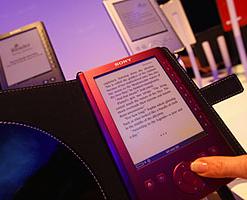
Amazon, the online retailing giant, did more than any other company to turn the sale of digital books into a real business with the 2007 launch of the Kindle electronic reader. The company has sold an estimated 1.7 million units of the handheld device in the U.S., and it's getting ready to ship millions more. On Oct. 6, Amazon announced that it would soon begin selling Kindles — complete with a key feature that allows users to wirelessly download e-books from Amazon — in more than 100 countries.
Success breeds imitators. Amazon is about to be attacked by a squadron of would-be Kindle killers that are being brought to market by some of the biggest names in consumer electronics and publishing. To complicate the increasingly competitive landscape even further, Apple and, according to rumor, Microsoft are working on tablet computers that could prove to be handy e-readers but with more functions and features, such as video-display capability and full Web browsers. The year "2009 is a breakout year for e-readers," says Sarah Rotman Epps, an analyst with Forrester Research. "But we're still in the early stages."
The early stages have lasted a long time. E-readers have been around for more than a decade, but the devices weren't popular due to high cost, proprietary display formats and the reluctance of book publishers to sell digital versions of their best-selling titles. Now, just as digital music was driven into the mainstream by Apple's iPod and iTunes, Amazon's Kindle and online bookstore, which sells more than 350,000 titles, are proving there's a mass market for e-books. Total industry revenue from digital-book downloads has risen 149% this year, according to the Association of American Publishers, while e-r
[1] [2] [3] 下一页 【已有很多网友发表了看法,点击参与讨论】【对英语不懂,点击提问】【英语论坛】【返回首页】
|